How To Reduce Costs With Nomadic Living
Right here is the post:Canvas vs Polyester Water-proof Performance: Which Fabric Really Keeps You Dry?
When it concerns selecting water-proof equipment-- whether for an outdoor tents, a knapsack, a coat, or outdoor furniture covers-- the debate between canvas and polyester is one that never ever fairly vanishes. Both products have passionate advocates, and both come with genuine strengths. But when waterproof performance is your main worry, the distinctions in between them matter greater than the majority of customers understand. Below is a straightforward breakdown of how each fabric holds up versus wetness.
Comprehending How Waterproofing Functions in Fabric
Before comparing both products, it helps to recognize that "water resistant" is not a single quality-- it is a range. Fabrics resist water in different methods. Some count on a limited all-natural weave that swells when damp and physically obstructs water molecules. Others rely on chemical layers or laminate layers applied throughout production. Canvas and polyester stand for these two extremely various approaches, and that difference shapes everything concerning how they execute in real-world problems.
Canvas: All-natural Resistance With a Proven Performance History
Canvas is traditionally made from cotton, though modern variations typically blend cotton with artificial fibers for included longevity. Its waterproofing comes from a combination of the material's dense weave and therapies such as wax, oil, or specialized coatings like paraffin.
Just How Canvas Handles Rain
Among canvas's most intriguing homes is that it becomes a lot more waterproof as it splashes. Cotton fibers naturally swell when they take in wetness, tightening the weave and minimizing the gaps whereby water can pass. This self-sealing quality offers canvas an unique benefit in continual, heavy rain when it has actually been appropriately conditioned and treated.
A well-waxed or oiled canvas tent or tarpaulin can drop water successfully for several years. The material also breathes much better than most synthetic choices, which assists regulate interior condensation-- a substantial advantage in outdoor camping applications where moisture build-up inside a shelter can be just as troublesome as rainfall being available in from outdoors.
The Limitations of Canvas
The drawbacks are actual, though. Untreated or improperly maintained canvas will take in water as opposed to repel it, ending up being hefty and eventually leaking. The wax or finish should be reapplied occasionally-- usually once or twice a year depending upon usage-- or the waterproofing breaks down noticeably. Canvas is likewise dramatically much heavier than polyester, which matters a large amount for hikers and travelers that bring their equipment. It is also a lot more prone to mold if saved while moist.
Polyester: Engineered Waterproofing as needed
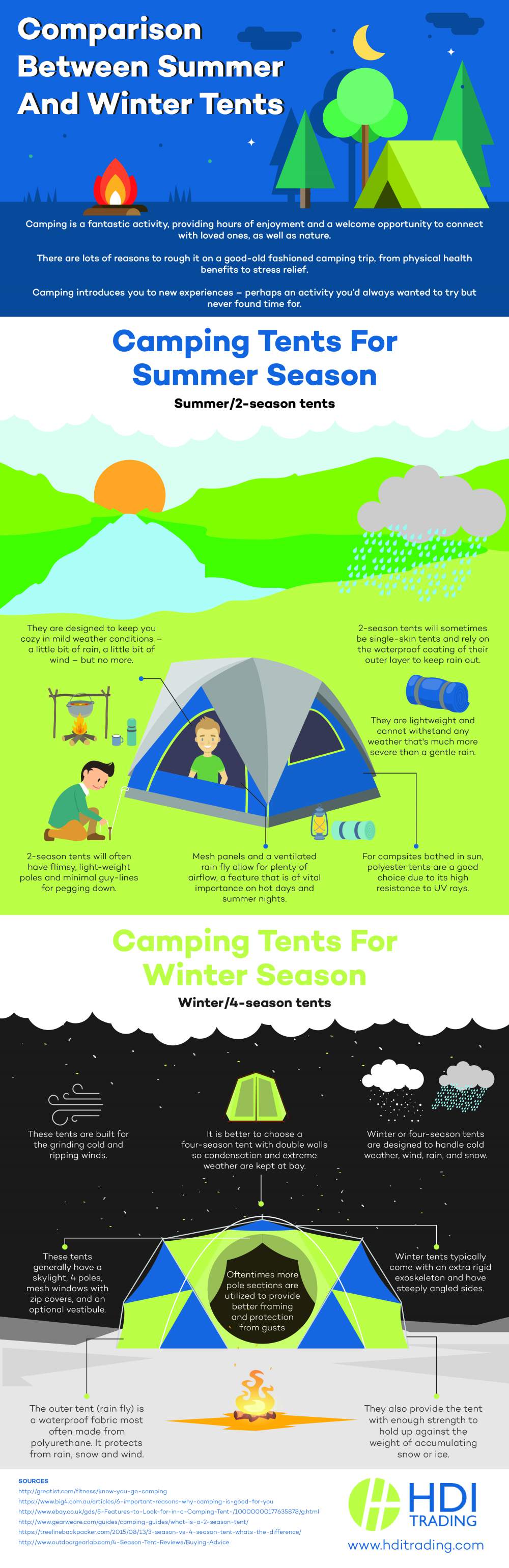
Polyester is a totally synthetic material that does not take in water in all in its raw kind. Its fibers are hydrophobic by nature, implying water rests on the surface rather than taking in. A lot of outside polyester products go a step better by including a DWR (Long Lasting Water Repellent) finish, a PU (polyurethane) layer, or a water resistant membrane layer laminated flooring to the fabric.
Just How Polyester Manages Rain
In other words, intense rainfall events, polyester exceeds untreated canvas with ease. The textile dries exceptionally swiftly, adds really little weight even when damp, and preserves its shape and framework in many weather conditions. Layered polyester utilized in quality rain equipment or camping tents can achieve remarkable hydrostatic head scores-- the dimension of how much water stress a material can resist prior to leaking-- often going beyond 1,500 mm and often reaching 10,000 mm or more in technological outside applications.
Polyester is also a lot more predictable. Due to the fact that its waterproofing is engineered via covering or lamination as opposed to organic fiber actions, its performance is consistent across different problems and does not depend on the customer preserving the treatment properly.
The Limitations of Polyester
Polyester's waterproofing is vulnerable differently: the coverings and therapies wear down in time. DWR coatings can lose performance after repeated washing and hefty use, creating the textile to wet out-- meaning it takes in surface area water and feels soaked even if the hidden membrane still technically stops leak. Reapplication sprays and wash-in therapies can bring back performance, but they require focus.
Polyester also takes a breath inadequately in its layered kind, which can make garments really feel clammy throughout yurt high activity. In enclosed rooms like outdoors tents, this decreased breathability can result in condensation problems.
Side-by-Side: The Trick Distinctions
Weight and Packability
Polyester wins emphatically right here. It is lighter, packs down smaller, and does not come to be much heavier when wet. Canvas is far bulkier and can increase in weight when soaked.
Long-Term Toughness
Canvas, when taken care of, can outlive polyester substantially. Quality waxed canvas products regularly last decades. Polyester coatings and membrane layers break down more quickly, specifically under UV direct exposure and heavy usage.
Upkeep
Canvas requires regular re-treatment yet the procedure is straightforward and economical. Polyester needs much less regular focus yet is a lot more sensitive to wrong cleaning and storage.
Which Should You Pick?
If weight and packability are your priorities-- for backpacking, traveling, or lightweight walking-- polyester is the functional choice. If you are buying a lasting shelter, durable exterior cover, or working canvas bag that requires to carry out reliably in continual damp conditions without feeling like a technological garment, canvas offers a durability and personality that polyester simply can not match. Neither product is widely premium. The very best choice depends completely on how you intend to use it.